





Understanding the Connection Between Mind and Mouth
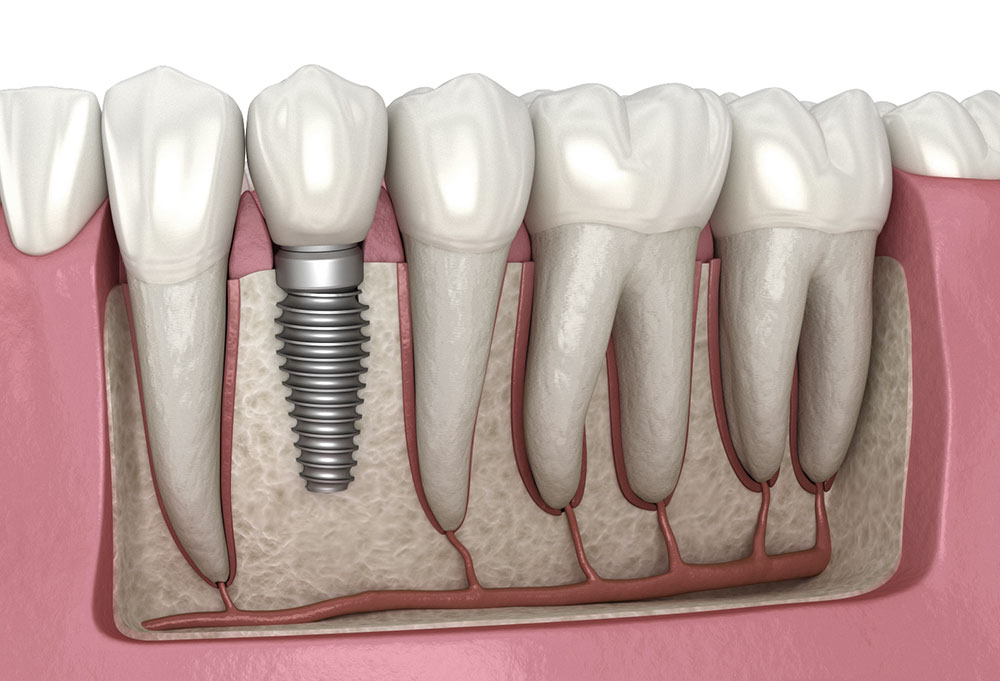
The relationship between psychological stress and dental health has garnered significant attention in recent years, particularly when examining the success rates of dental procedures. Dental implants Brentwood, whilst representing one of the most successful tooth replacement options available, are not immune to the effects of stress on the human body. Research suggests that elevated stress levels can substantially influence the healing process, potentially compromising the integration of implants with surrounding bone tissue.
When patients undergo dental implant procedures, their bodies initiate a complex healing response that requires optimal conditions for success. Stress, however, can disrupt this delicate process through various physiological mechanisms. The body’s stress response system releases cortisol and other hormones that can interfere with cellular repair, immune function, and blood circulation—all crucial elements for successful implant integration.
The Science Behind Stress-Related Complications
Scientific studies have identified several ways in which stress impacts dental implant outcomes. Chronic stress suppresses the immune system, making patients more susceptible to infections around the implant site. Additionally, stress can reduce blood flow to healing tissues, slowing the osseointegration process whereby the implant fuses with the jawbone.
Patients considering dental implants should be aware that stress can also manifest in behavioural changes that negatively affect implant success. These may include poor oral hygiene habits, teeth grinding (bruxism), smoking, or neglecting post-operative care instructions.
Hormonal Influences on Healing
The endocrine system plays a pivotal role in how stress affects dental implant success. Elevated cortisol levels, characteristic of chronic stress, can impair collagen synthesis and bone formation. This hormonal imbalance creates an environment less conducive to the cellular activities required for proper implant integration. Furthermore, stress hormones can increase inflammation markers, potentially prolonging the healing period and increasing the risk of complications.
Research has demonstrated that patients with consistently high stress levels show delayed wound healing and increased susceptibility to post-surgical complications. Understanding how stress affects the implant healing process has become increasingly important for dental professionals when planning treatment protocols and setting realistic expectations for patients.
Behavioural Factors and Treatment Compliance
Beyond the physiological effects, stress significantly influences patient behaviour during the critical healing period following implant placement. Highly stressed individuals often exhibit poor adherence to post-operative care instructions, which can dramatically impact treatment outcomes. This includes inadequate oral hygiene maintenance, irregular follow-up appointments, and failure to avoid certain foods or activities that could compromise healing.
Bruxism, or teeth grinding, represents another stress-related behaviour that poses particular risks to dental implants. The excessive forces generated during grinding can prevent proper osseointegration or even cause implant failure after successful integration. Many patients remain unaware of their nocturnal grinding habits, making stress management an essential component of comprehensive implant care.
Strategies for Optimising Implant Success
Dental professionals increasingly recognise the importance of addressing stress factors when planning implant treatments. Pre-operative stress assessment allows clinicians to identify high-risk patients who may benefit from additional support or modified treatment protocols. Some practices now incorporate stress reduction techniques into their patient care programmes, including relaxation exercises and anxiety management strategies.
Timing considerations also play a crucial role in implant success for stressed patients. Managing stress and anxiety during implant recovery often involves scheduling procedures during periods of relatively low stress when possible, and ensuring patients have adequate social support systems in place.
Holistic Approaches to Patient Care
Modern dental practices are adopting more holistic approaches that consider the whole patient rather than focusing solely on the technical aspects of implant placement. This includes screening for stress-related factors, providing comprehensive pre-operative counselling, and establishing realistic expectations about healing timelines for patients experiencing elevated stress levels.
Some clinicians recommend stress management techniques such as meditation, regular exercise, or professional counselling as adjunctive therapies to support optimal healing. Comprehensive approaches to implant success often incorporate these lifestyle factors into treatment planning discussions.
Looking Forward: The Future of Stress-Informed Dental Care
The growing body of evidence linking stress to dental implant outcomes suggests that future treatment protocols will increasingly incorporate psychological wellbeing assessments. This evolution represents a positive shift towards more personalised, patient-centred care that acknowledges the complex interplay between mental health and oral health outcomes, ultimately leading to improved success rates and patient satisfaction.